Oxygen-Free Decomposition
Decoding Pyrolysis Technology
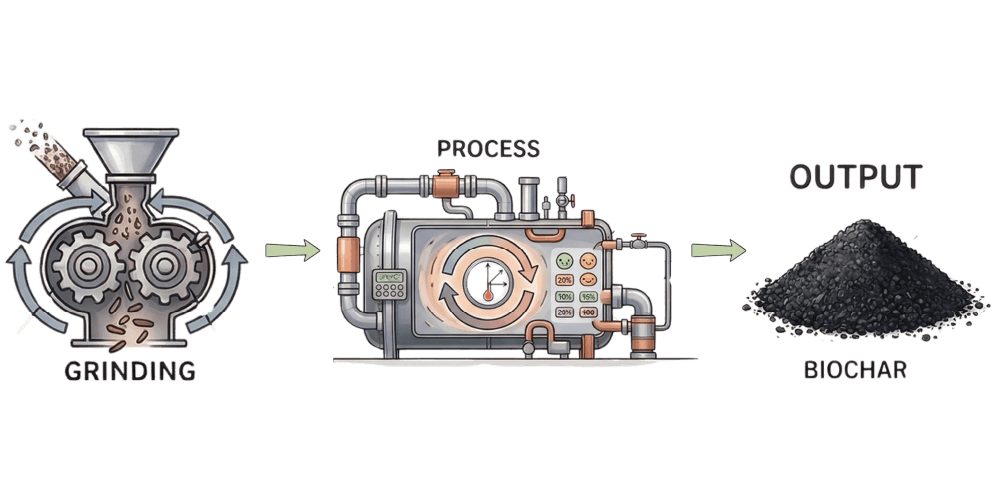
Pyrolysis is a sophisticated thermochemical process where organic materials are decomposed at high temperatures, typically between 400°C and 700°C, in the complete absence of oxygen. Unlike traditional incineration, this method prevents the carbon in biomass from reacting with oxygen to form CO2. Instead, the carbon atoms are thermal-chemically restructured into stable biochar, while simultaneously producing renewable energy in the form of bio-oil and syngas. This technology is the cornerstone of turning transient plant carbon into a permanent geological-scale asset.
Storage vs. Release
Defining the Critical Difference
While they both involve heat, the outcomes are opposites. One returns carbon to the sky, while the other secures it in the ground.
Carbon Storage
Pyrolysis
Goal
Extracting Existing CO2
Strategy
Net-Zero Final Mile
Result
Permanent biochar creation
Carbon Releasel
Combustion
Oxygen-Free
Heating in a vacuum
Long-term Impact
Carbon is locked
Result
Returns to atmosphere
Porous Structure
Highly developed microscopic pores.
Stable Carbon
Crystallized carbon that resists decay.
Biological Resistance
Defense against microbial decomposition.
Our Advantages
Securing Carbon for Centuries
The stability of biochar lies in its microscopic crystalline structure. During pyrolysis, the loose carbon chains in plants are converted into highly stable aromatic carbon rings. This creates a porous, inert “carbon skeleton” that is extremely resistant to microbial decomposition and chemical oxidation. While raw biomass would decay and release its carbon within a few years, the carbon locked within biochar remains stored in the soil for centuries, providing a measurable and permanent solution for atmospheric carbon removal.
The Quantification Roadmap
Ensuring Transparency and Trust

01. Monitoring
Tracking biomass input and pyrolysis parameters.
02. Reporting
Transparent documentation of carbon life cycle (LCA).

03. Verification
Third-party audits to certify the final carbon credits.

Trusted Climate Assets
Valuing High-Integrity Credits
MRV is the critical bridge between physical carbon sequestration and the global financial markets. By implementing standardized monitoring and third-party verification, we transform the scientific act of carbon removal into a high-integrity, tradable climate asset. This ensures market liquidity, minimizes greenwashing risks, and allows corporate buyers to invest with confidence.

Market Liquidity

Premium Pricing

Risk Mitigation
Our Integrity Commitment
Verifying Every Single Ton
We apply the strictest methodologies to ensure that “A Ton is Truly a Ton,” with zero double-counting and real-time tracking from biomass source to carbon sink.

Independent Audits
Every credit is verified by accredited third-party organizations to guarantee carbon permanence.

No Double Counting
Each biochar batch is serialized, ensuring that one ton of removal is only sold and claimed once.
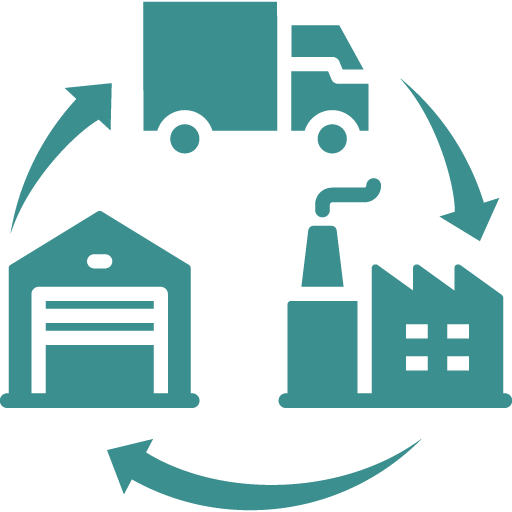
Real-time LCA
Our dynamic LCA system calculates carbon footprints in real-time. By integrating live data from biomass sourcing to pyrolysis, we ensure every credit represents a verified, net-negative impact on the atmosphere.

- Comprehensive Boundary
- Data Transparency
- Scientific Precision
Take Action
Join the Biochar Revolution
Our mission is to turn carbon into positive impact. Through innovative biochar solutions, we transform agricultural waste into high-stability carbon sinks, helping businesses and communities significantly reduce their carbon footprint.